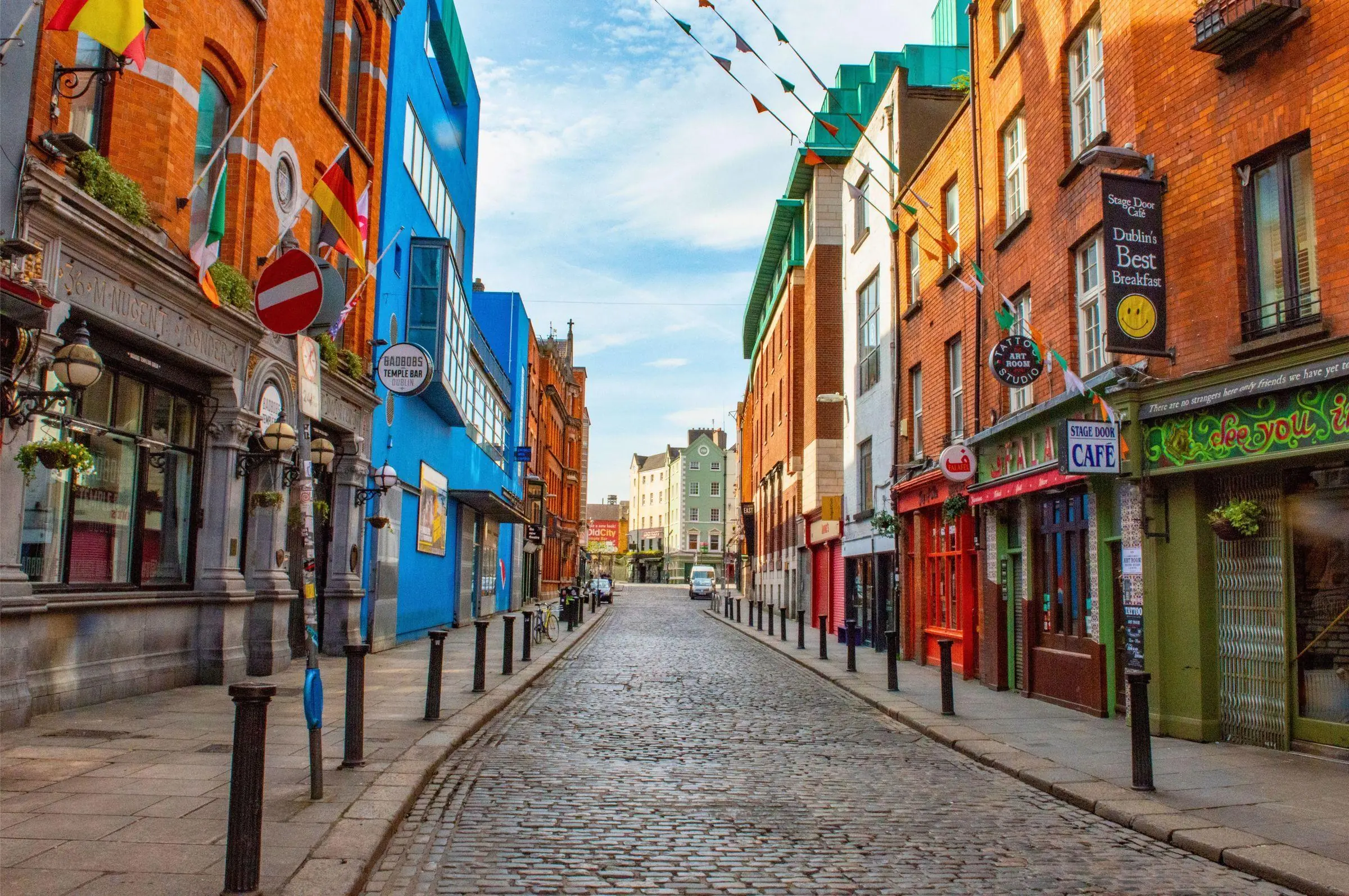
Welcome to Dublin. Ireland’s capital is a compact, highly walkable city with a heavy concentration of history, literature, and pub culture packed into a relatively small footprint. Because the city center is dense, it is easy to see a lot in a short amount of time—provided you understand the layout and book your major tickets in advance.
This guide is designed to act as your central planning hub. Below, you will find direct routes to our step-by-step itineraries, practical advice for different types of travelers, and straightforward logistics on how to get around without wasting time or money.
Step 1: Choose Your Dublin Itinerary
The biggest mistake visitors make in Dublin is underestimating how long it takes to get through the major sites. While the physical distance between attractions is short, places like the Guinness Storehouse and Kilmainham Gaol require two to three hours each.
To help you pace your trip, we have built step-by-step routes based on exactly how much time you have on the ground.
Keep Planning: If you are still trying to figure out your timeline, read our guide on how many days to spend in Dublin.
Step 2: Trip Planning Essentials
Before you start booking flights and hotels, you need to understand the practical realities of visiting Dublin. The weather is notoriously unpredictable (pack layers, regardless of the month), and costs can add up quickly if you aren’t paying attention to where you eat and drink.
Use these high-intent planning guides to sort out the logistics of your trip:
A note on accommodation: Dublin is currently experiencing a severe hotel shortage, which drives prices up significantly during the summer and around major events (like rugby matches or concerts). Book your hotel at least three to four months in advance for the best rates. See our where to stay guide for specific recommendations.
Step 3: Booking Top Attractions
Dublin’s most popular attractions operate on strict timed-entry systems. If you show up at the door in July expecting to buy a ticket, you will likely be turned away.
The Guinness Storehouse and the Book of Kells regularly sell out days in advance. Secure your entry passes before you arrive to guarantee your spot.
Here is a breakdown of the core attractions you need to prioritize:
Essential Dublin Entry Tickets
Guinness Storehouse
- Includes a self-guided tour across seven floors of brewing history.
- Ends with a complimentary pint in the Gravity Bar overlooking the city.
- Located in The Liberties neighborhood.
Book of Kells & Dublin Castle
- Early access guided tour to avoid the heaviest afternoon crowds.
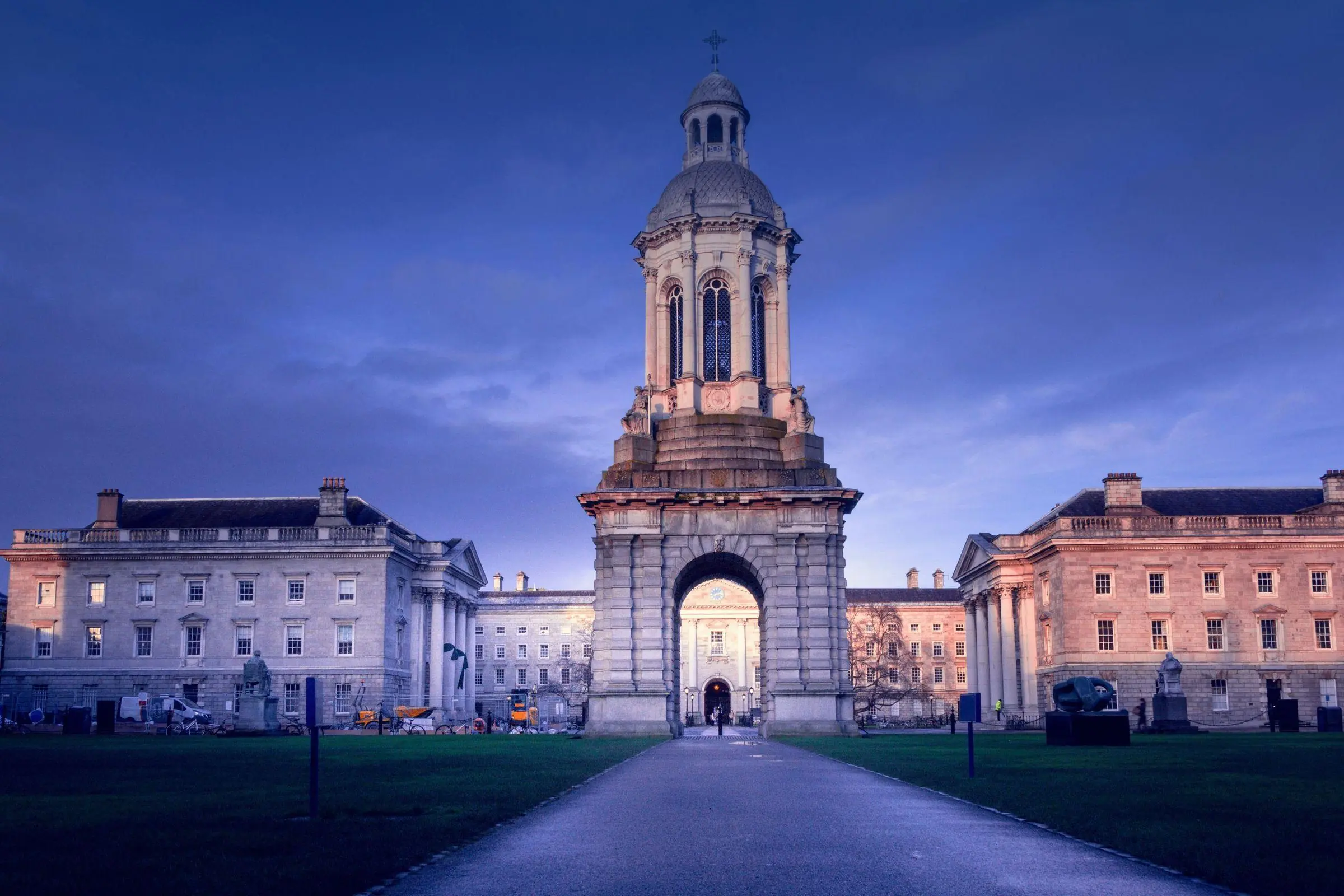
- Includes the Old Library at Trinity College and the exterior of Dublin Castle.
Jameson Distillery Bow St.
- Fully guided 40-minute experience focusing on the whiskey-making process.
- Includes a comparative whiskey tasting and a complimentary drink.
- Located near Smithfield Square.
Step 4: Food, Drink & Culture
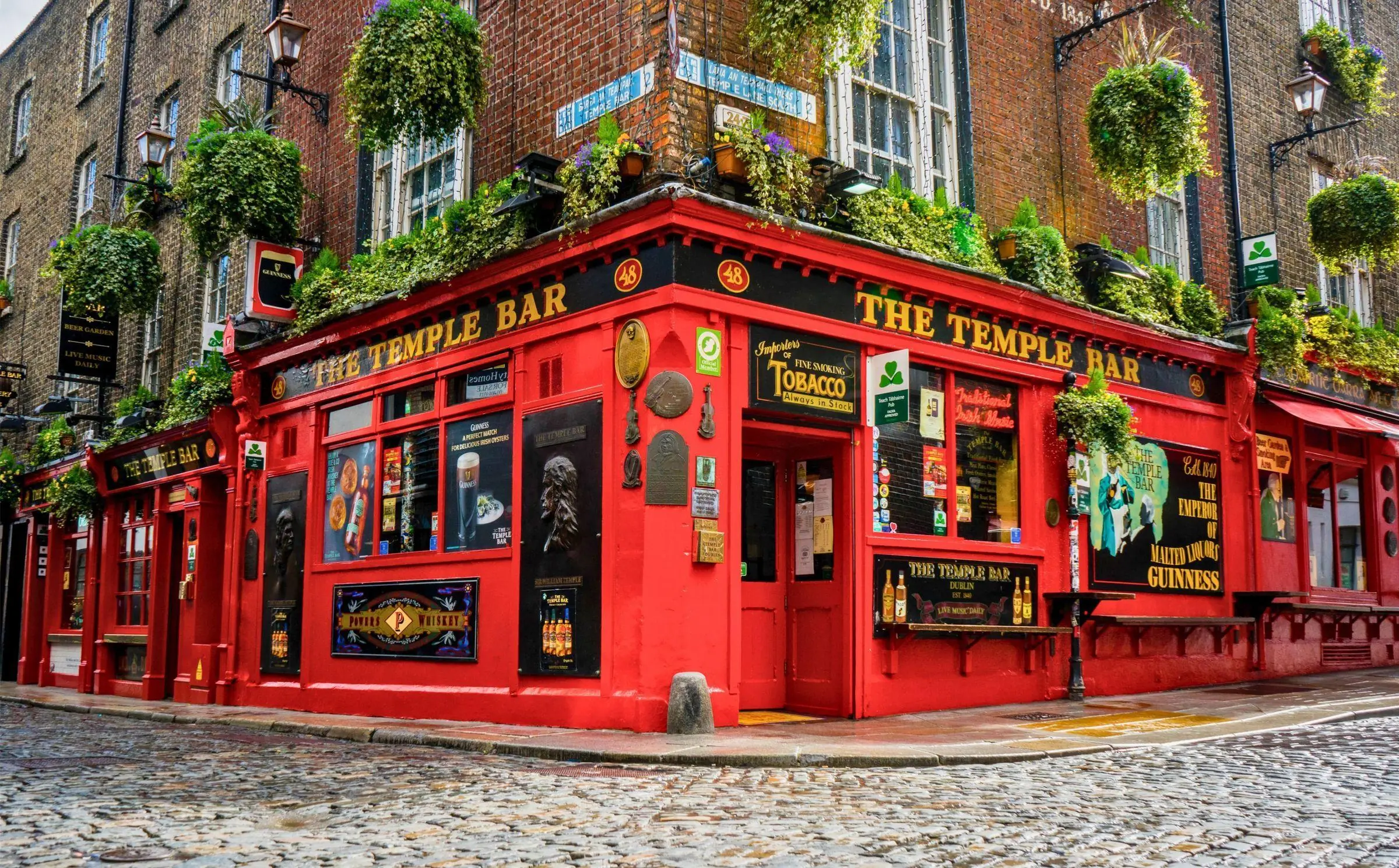
Dublin’s pub culture is legendary, but the city’s culinary scene has evolved far beyond stew and pints of plain. To avoid overpriced tourist traps (especially in the Temple Bar neighborhood), you need to know where to look.
- Pubs: If you want traditional music and a genuine local atmosphere, skip the main drag of Temple Bar. Read our guide to the best pubs in Dublin for spots that actually serve a proper pint.
- Whiskey: The city is experiencing a distilling renaissance. Use our whiskey guide to choose between the historic Jameson Distillery and newer, fully operational sites like Teeling or Roe & Co.
- Dining: From casual fish and chips to high-end modern Irish cuisine, our where to eat guide breaks down the best options by neighborhood.
- History & Architecture: If you are interested in the city’s religious history and stunning architecture, route through our churches guide, which covers everything from St. Patrick’s Cathedral to Christ Church Cathedral.
Advice by Traveler Type
Dublin caters to everyone, but your daily logistics will change depending on who you are traveling with. Here is actionable advice based on your group.
For Families
Dublin is highly accommodating to families, but the cobbled streets in older areas can be tough on strollers.
- Pub Rules: By law, children under 15 must leave pubs by 9:00 PM (this is strictly enforced). If you want to experience pub culture with kids, go for lunch or early dinner.
- Top Activities: The Dublin Zoo in Phoenix Park is excellent and requires at least half a day. For older kids, the EPIC The Irish Emigration Museum is highly interactive and engaging.
- Parks: St. Stephen’s Green and Merrion Square both have excellent, enclosed playgrounds.
For Couples
If you are looking for a romantic trip, avoid staying directly in Temple Bar—the late-night noise from the streets will bleed into your hotel room.
- Where to Stay: Look at hotels in the St. Stephen’s Green neighborhood or the Portobello neighborhood for a quieter, more local vibe.
- Activities: Book a Vintage Tea Trip for a unique afternoon, or take a quiet walk through the MoLI – Museum of Literature Ireland.
- Day Trips: Get out of the city for a day. The Howth cliff walk offers stunning coastal views and excellent seafood right off the DART train.
For Solo Travelers
Dublin is one of the easiest cities in Europe for solo travelers. The pub culture naturally encourages conversation, and sitting at the bar is the fastest way to meet locals.
- Safety: The city center is generally safe, but standard precautions apply. Read our safety guide for specifics on areas to avoid late at night.
- Meeting People: Join a guided walking tour on your first morning to get your bearings and meet other travelers. If you want to experience the nightlife safely, a structured pub crawl is a great option.
Getting Around Dublin
Dublin does not have an underground subway system. Instead, public transit relies on a mix of buses, trams, and coastal trains.
Airport Transfers
Dublin Airport (DUB) is located about 10km north of the city center. There is no train line connecting the airport to the city. Your best options are the dedicated express buses (Dublin Express or Aircoach) or a taxi.
- Action: You can book your airport bus transfer in advance to skip the ticket lines outside the terminal.
- Deep Dive: Read our full airport transfer guide.
The Leap Visitor Card
If you plan to use public transit frequently, buy a Leap Visitor Card at the airport. It provides unlimited travel on Dublin City Bus, the Luas (tram), and the DART (coastal train) for 1, 3, or 7 days.
Leap Visitor Card vs. DoDublin Freedom Card
- Leap Card: Cheapest option for standard public transit. Great if you know exactly where you are going.
- Freedom Card: Includes 72 hours of standard transit plus 48 hours on the green hop-on hop-off sightseeing buses.
- Leap Card: Does not include any sightseeing buses or airport express coaches.
- Freedom Card: More expensive; only worth it if you actually use the hop-on hop-off buses to get between major attractions.
Keep Planning: For a complete breakdown of the tram and bus networks, visit our public transport guide. You can also check official timetables on the Transport for Ireland (TFI) website.
Where to Base Yourself
Your experience in Dublin will be heavily influenced by where you sleep. Use this map to check current hotel availability and pricing across the city center.
If you aren’t sure which area suits you best:
- Temple Bar: Extremely central, very loud, and expensive. Best for those who want to be in the middle of the nightlife.
- St. Stephen’s Green / Merrion Square: Upscale, quiet, and close to the museums. Ideal for couples and older travelers.
- Smithfield / Stoneybatter: Trendy, slightly west of the center, packed with great cafes and local pubs. Great for younger travelers and foodies.
Frequently Asked Questions
Do I need to carry cash in Dublin?
No. Dublin is largely a cashless city. Contactless payments (tap-to-pay with cards or smartphones) are accepted almost everywhere, including in taxis, pubs, and small cafes. You only need a small amount of Euro coins if you plan to tip buskers or use exact change on the standard city buses.
Is the Dublin Pass actually worth the money?
It depends entirely on your itinerary. The Dublin Pass is highly profitable if you plan to visit 3 or more expensive attractions (like the Guinness Storehouse, EPIC Museum, and Christ Church Cathedral) within a 1 or 2-day window. If you prefer to wander and only visit free museums, skip it. Read our passes compared guide for the math.
How far in advance should I book the Guinness Storehouse?
During the peak summer months (June through August) and around St. Patrick’s Day, you should book your Guinness Storehouse tickets at least two to three weeks in advance. For the rest of the year, a few days in advance is usually sufficient, though morning slots sell out first.
Can I take a day trip to the Cliffs of Moher from Dublin?
Yes, but it is a very long day. The Cliffs of Moher are on the opposite side of the country. A guided day trip will take roughly 12 to 13 hours round-trip. If you are short on time, consider closer day trips like Wicklow and Glendalough.
What is the best way to get from Dublin Airport to the city center?
The most efficient balance of cost and speed is the Dublin Express or Aircoach. These dedicated airport buses run frequently and drop off at major points in the city center. Taxis are faster but will cost between €25 and €35 depending on traffic and your exact destination.
Are the national museums in Dublin free?
Yes. All branches of the National Museum of Ireland (Archaeology, Decorative Arts & History, Natural History) and the National Gallery are completely free to enter. You do not need to book tickets in advance for general admission.